
Nature Nova Scotia projects are organized into several strategic focus areas to ensure our networking, research, education, and advocacy projects are grounded in a holistic view of the natural world and the factors that affect it. We also try to align current projects with nature issues that need immediate action, or where more work is needed to effectively protect and steward Nova Scotia’s natural history. Check out our current projects organized by focus area below:

In 2023, the government of Nova Scotia reaffirmed its commitment to protect 20% of lands and waters by 2030 by signing the $28.5 million Canada-Nova Scotia Nature Agreement with the federal government. The agreement specified that Nova Scotia protect 15% by March 2026, accelerate planning work to protect 20% by 2030, and produce regular reports to the public so Nova Scotians could track progress on this important goal. The province has done none of these things and we think this failure is intentional. Help us hold the Nova Scotia government to its own law and this vital international commitment to wilderness and our nature-based economy.

Big businesses want access to public lands in Nova Scotia. In the past five years alone, local advocates have had to fight to save West Mabou Beach Provincial Park from privatization and development three times, even though the park is already legally protected. And no one will soon forget the unprecedented grassroots movement that was necessary to save Owls Head Provincial Park from a secret backroom deal. But how many times must concerned citizens fight the same fight? We think the Provincial Parks Act needs updating. The province should not be able to sell off or lease public lands for uses that are destructive to their natural, cultural, and recreational purposes.
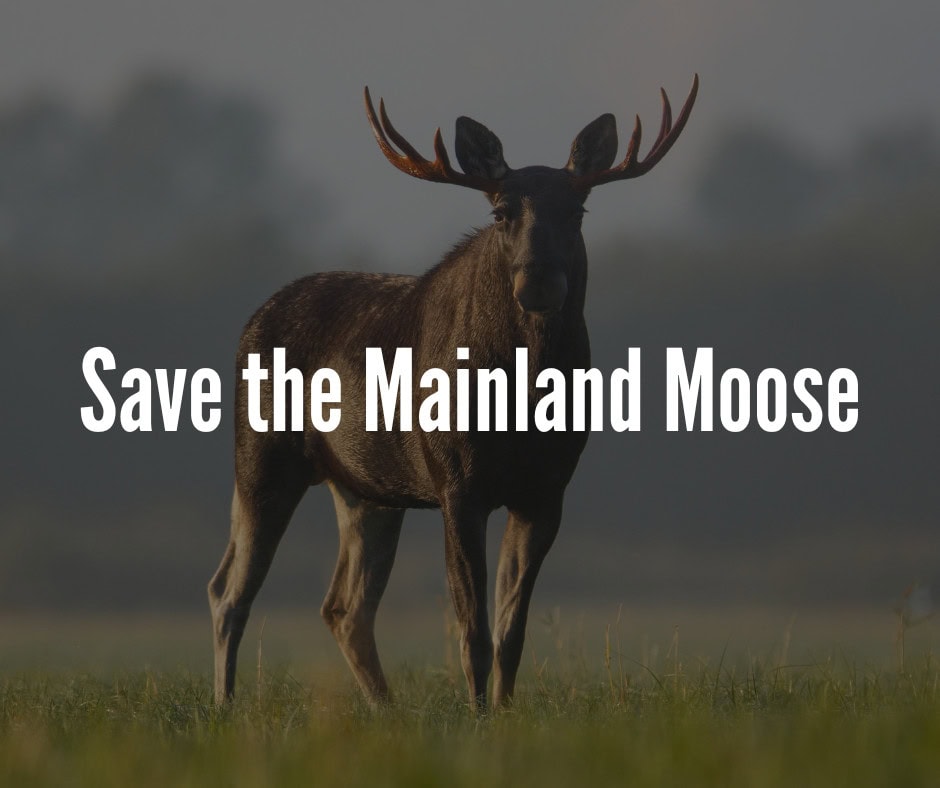
Though the mainland moose population in Nova Scotia was officially declared endangered under the provincial Endangered Species Act in 2003, many Nova Scotians are unaware that moose on the mainland are at risk, little action has been taken to date, and the population has not recovered. An estimated 1,000 individuals make up the provincial population today—far below the provincial Recovery Plan’s target of 5,000 moose. Since 2022, we’ve led a seasonal series of educational events across Nova Scotia sharing moose ID tips with participants and, in 2023, launched a volunteer trail camera monitoring network and public knowledge survey, revealing hundreds of moose sightings not previously reported to the provincial biodiversity hotline.
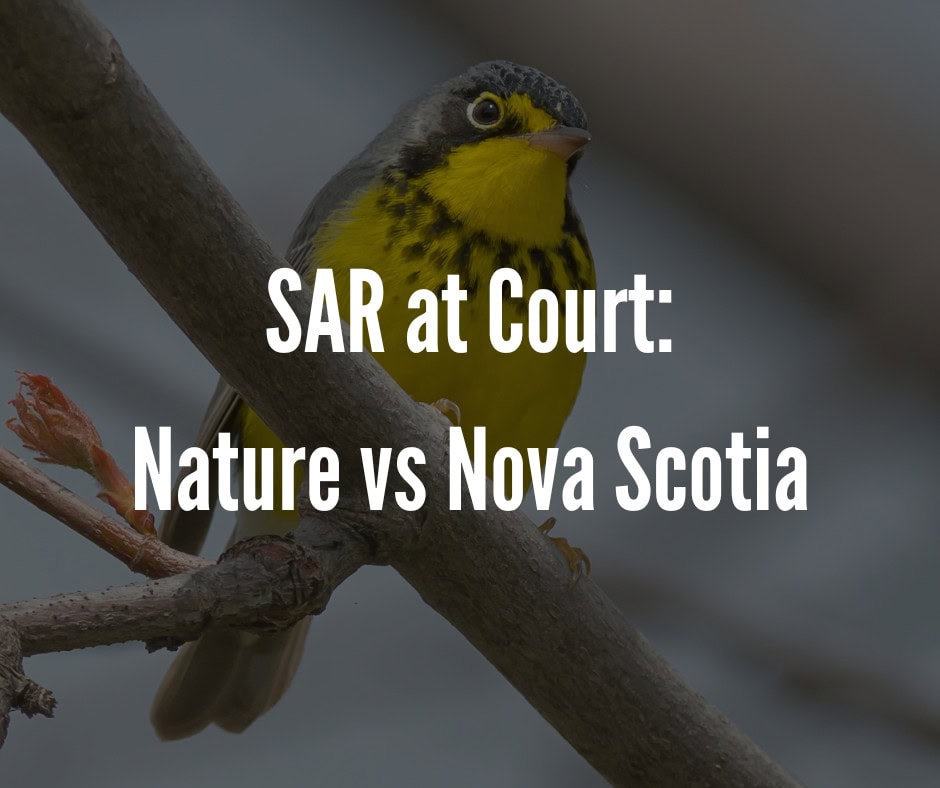
For years, the Nova Scotia government has failed in its obligation to assess, plan for, and meaningfully protect species at risk. Our nature network won a precedent setting victory in 2020 when we took the Nova Scotia government to court for not following its own Endangered Species Act. We are now monitoring progress in recovery planning and actions for the species featured in that judicial review and setting our sights on other species that need our help.
The 2018 Lahey Independent Review of Forest Practices recommended reducing clearcuts in Nova Scotia to 25% and the adoption of a “triad model” that would have some areas used for intensive commercial forestry, some areas protected from all kinds of commercial activity, and some designated for less intensive forestry practices with little to no clear cutting. The Nova Scotia government officially adopted the 45 Lahey recommendations, in 2018, in the form of a formal, multi-year policy framework. Today, clearcuts still dominate the public landscape and may actually be increasing. We are monitoring the province’s progress on the Lahey recommendations and mobilizing Nova Scotians into actions that will help achieve a transition to ecological forestry.

The eastern hemlock is under attack from a tiny invasive insect, the woolly adelgid, threatening to dramatically change the makeup of the native Wabanaki-Acadian forest. A single chemical treatment allows the tree to survive for 4-7 years, giving vital time for implementation of a biocontrol program. The province has embraced chemical treatments on public lands through a new program targeting hemlocks in Protected Areas, but treatments are expensive and, the majority of Nova Scotia being private lands, many hemlock stands are left vulnerable to HWA. Nature Nova Scotia is stepping in to help fill this gap, treating trees on private lands and prioritizing stands with high ecosystem function values.

Open net pen finfish farms pose many threats to wild fish populations and the wider near shore ecosystem. Compared with contained aquaculture systems, open net pen operations are significantly more likely to pollute marine ecosystems with excessive nutrient pollution through untreated waste, deplete oxygen levels and promote disease spread to wild marine populations due to intensive stocking, and release captive fish into wild populations through escapes. Nature Nova Scotia is helping the Healthy Bays Network raise funds for educational initiatives that will share our concerns with more citizens and encourage Nova Scotia to transition away from open net pen aquaculture towards more sustainable aquaculture options.

Places like the Halifax Harbour and the Port of Sydney experience a lot of ship traffic and are home to industries that could put birds at risk in a disaster event. Our Waterbirds Surveys mobilize volunteer birders to collect data on waterbird populations in Nova Scotia’s high-risk ports, using methods piloted by friends at Nature New Brunswick, and makes that information available to governments so they can act quickly during environmental disasters. By generating baseline data to better inform our understanding of bird diversity and threats in these urban harbours, we’re safeguarding tomorrow’s marine and coastal ecosystems.

Bird Friendly Halifax is a coalition of environmental organizations, researchers, community groups, bird enthusiasts, and residents working together to make Halifax Regional Municipality safer for birds. Together we identify conservation challenges, support research, advocate for bird friendly policies, and engage our community through education, outreach, and stewardship. We coordinate the annual Bird Day and Bird Week celebration in Halifax, we distribute free window solutions through our collaborative project, Operation Window Strike, and we’re working with the municipality on implementing bird friendly design guidelines.
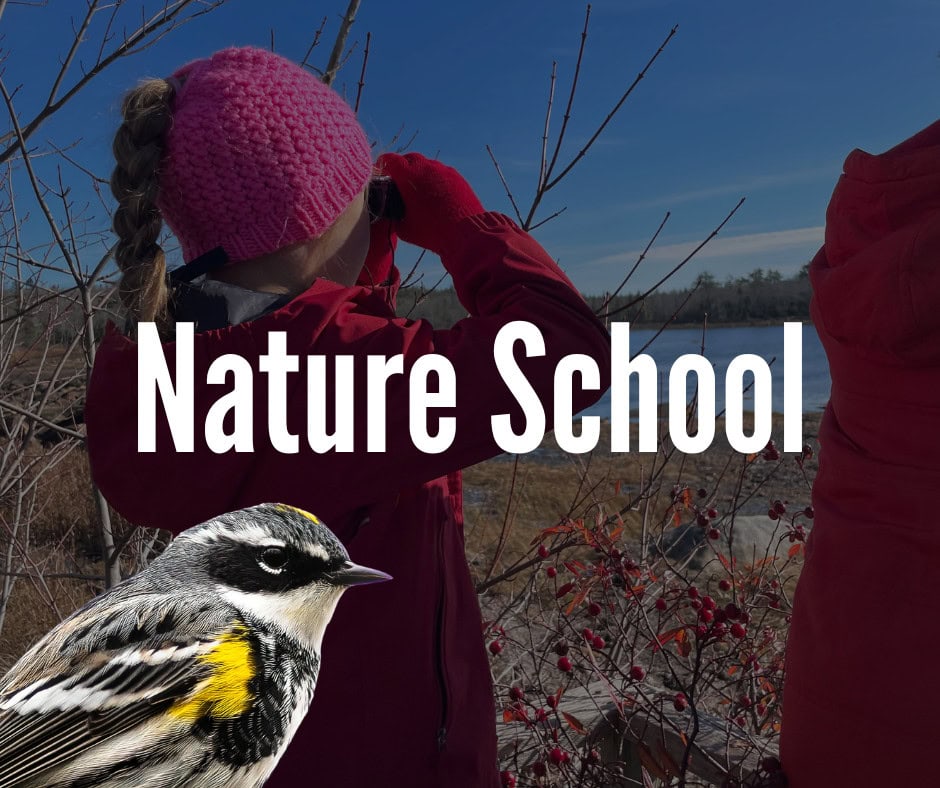
Nature literacy is declining. Many Nova Scotians, particularly youth, lead lives that are increasingly disconnected from nature and the issues that affect our shared wellbeing. Whether because of lack of access, discomfort in new environments or in a setting largely dominated by white settler Canadians, or simply missing knowledge of the opportunities that are out there, isolation from nature carries important consequences for both human health and that of the natural world. Nature School connects Nova Scotian P-6 students with the wilderness near them, in a current, pending, or community-proposed protected area, and engages them in curriculum aligned natural history learning.
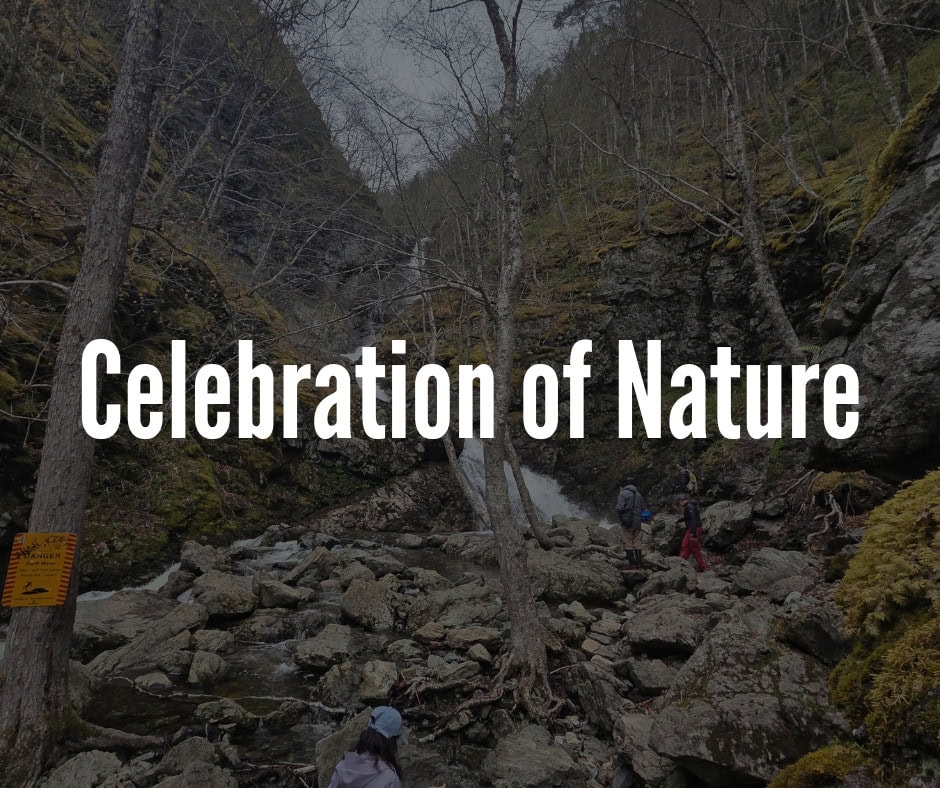
Each May, we organize a weekend-long gathering for naturalists in a symposium program that includes talks, guided outings, and a concurrent youth program in partnership with our members at the Young Naturalists Club. We explore protected areas, learn about sustainable management of working lands, and hear about new research, stewardship, and activism initiatives. The Celebration changes location each year to give our network the opportunity to explore new places and new nature issues. It’s also our annual general meeting and an opportunity for members to have a say in how we operate.

The Biodiversity Badge is a collaboration between Hike Nova Scotia and Nature Nova Scotia that encourages Nova Scotians to contribute to citizen science while racking up the kilometers! To qualify for the badge, you must complete at least 10 hikes and, for each one, upload 10 or more plant, animal, fungi, or other life observations via iNaturalist.
In 2023, the government of Nova Scotia reaffirmed its commitment to protect 20% of lands and waters by 2030 by signing the $28.5 million Canada-Nova Scotia Nature Agreement. Nova Scotia agreed to protect 15% by March 2026, accelerate work to protect 20% by 2030, and produce regular reports so Nova Scotians could track progress on this important goal. The province has done none of these things and we think this failure is intentional. Help us hold government to this vital commitment to wilderness and our nature-based economy.
Big businesses want access to public lands in Nova Scotia. In the past five years alone, local advocates have had to fight to save West Mabou Beach Provincial Park from privatization and development three times, even though the park is already legally protected. And no one will soon forget the unprecedented grassroots movement that was necessary to save Owls Head Provincial Park from a secret backroom deal. But how many times must concerned citizens fight the same fight? We think the Provincial Parks Act needs updating. The province should not be able to sell off or lease public lands for uses that are destructive to their natural, cultural, and recreational purposes.
An estimated 1,000 individuals make up the endangered mainland moose population today—far below the provincial Recovery Plan’s target of 5,000 moose. Since 2022, we’ve led a seasonal series of educational events across Nova Scotia sharing moose ID tips with participants and, in 2023, launched a volunteer trail camera monitoring network and public knowledge survey, revealing hundreds of moose sightings not previously reported to the provincial biodiversity hotline.
For years, the Nova Scotia government has failed in its obligation to assess, plan for, and meaningfully protect species at risk. Our nature network won a precedent setting victory in 2020 when we took the Nova Scotia government to court for not following its own Endangered Species Act. We are now monitoring progress in recovery planning and actions for the species featured in that judicial review and setting our sights on other species that need our help.
The Nova Scotia government officially adopted the 45 recommendations of the Lahey Independent Review of Forest Practices, in 2018, in the form of a formal, multi-year policy framework. Today, clearcuts still dominate the public landscape and may actually be increasing. We are monitoring the province’s progress on the Lahey recommendations and mobilizing Nova Scotians into actions that will help achieve a transition to ecological forestry.
The eastern hemlock is under attack from a tiny invasive insect, the woolly adelgid, threatening to dramatically change the makeup of the native Wabanaki-Acadian forest. A single chemical treatment allows the tree to survive for 4-7 years, giving vital time for implementation of a biocontrol program. The province has embraced chemical treatments on public lands through a new program targeting hemlocks in Protected Areas, but treatments are expensive and, the majority of Nova Scotia being private lands, many hemlock stands are left vulnerable to HWA. Nature Nova Scotia is stepping in to help fill this gap, treating trees on private lands and prioritizing stands with high ecosystem function values.
Open net pen finfish farms pose many threats to wild fish populations and the wider near shore ecosystem. Compared with contained aquaculture systems, open net pen operations are significantly more likely to pollute marine ecosystems with excessive nutrient pollution through untreated waste, deplete oxygen levels and promote disease spread to wild marine populations due to intensive stocking, and release captive fish into wild populations through escapes. Nature Nova Scotia is helping the Healthy Bays Network raise funds for educational initiatives that will share our concerns with more citizens and encourage Nova Scotia to transition away from open net pen aquaculture towards more sustainable aquaculture options.
Our Waterbirds Surveys mobilize volunteer birders to collect data on waterbird populations in Nova Scotia’s high-risk ports, using methods piloted by friends at Nature New Brunswick, and makes that information available to governments so they can act quickly during environmental disasters. By generating baseline data to better inform our understanding of bird diversity and threats in these urban harbours, we’re safeguarding tomorrow’s marine and coastal ecosystems.
Bird Friendly Halifax is a coalition of environmental organizations, researchers, community groups, bird enthusiasts, and residents working together to make Halifax Regional Municipality safer for birds. Together we identify conservation challenges, support research, advocate for bird friendly policies, and engage our community through education, outreach, and stewardship. We coordinate the annual Bird Day and Bird Week celebration in Halifax, we distribute free window solutions through our collaborative project, Operation Window Strike, and we’re working with the municipality on implementing bird friendly design guidelines.
Nature literacy is declining. Whether because of lack of access, discomfort in new environments or in a setting largely dominated by white settler Canadians, or simply missing knowledge of the opportunities that are out there, isolation from nature carries important consequences for both human health and that of the natural world. Nature School connects Nova Scotian P-6 students with the wilderness near them, in a current, pending, or community-proposed protected area, and engages them in curriculum aligned natural history learning.
Each May, we organize a weekend-long gathering for naturalists in a symposium program where we explore protected areas, learn about sustainable management of working lands, and hear about new research, stewardship, and activism initiatives. The Celebration changes location each year to give our network the opportunity to explore new places and new nature issues. It’s also our annual general meeting and an opportunity for members to have a say in how we operate.
The Biodiversity Badge is a collaboration between Hike Nova Scotia and Nature Nova Scotia that encourages Nova Scotians to contribute to citizen science while racking up the kilometers! To qualify for the badge, you must complete at least 10 hikes and, for each one, upload 10 or more plant, animal, fungi, or other life observations via iNaturalist.