Growing Urban Nature: How Naturalization Can Make Room for Biodiversity in Our Communities

Growing Urban Nature: One Naturalization Garden at a Time

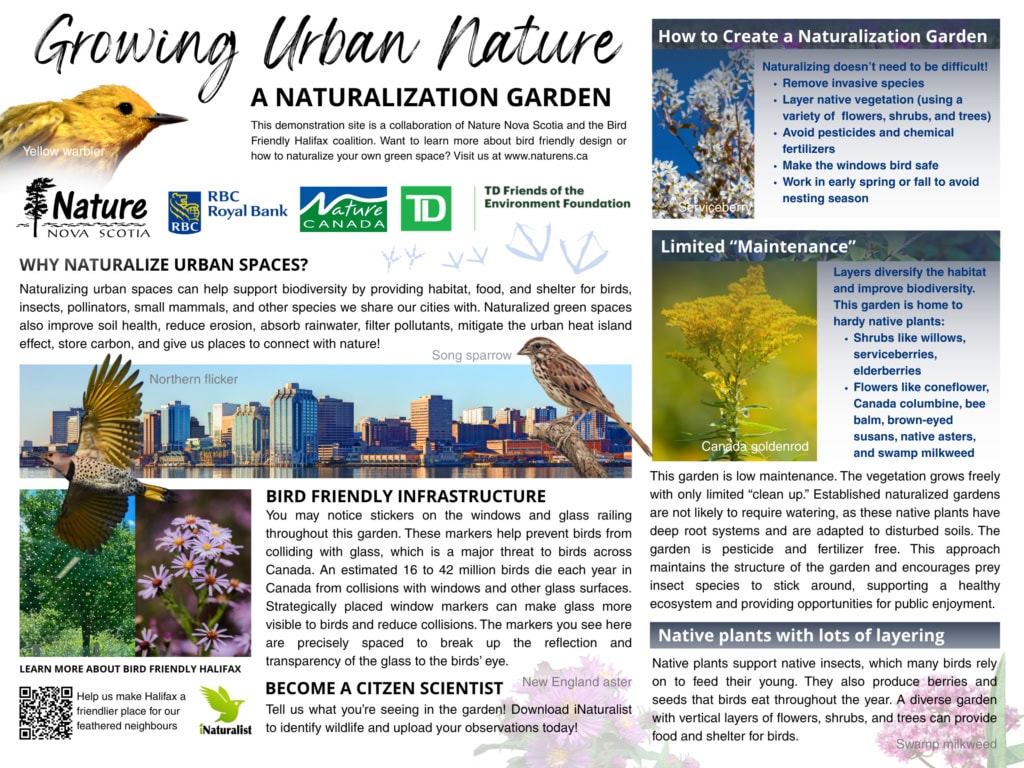
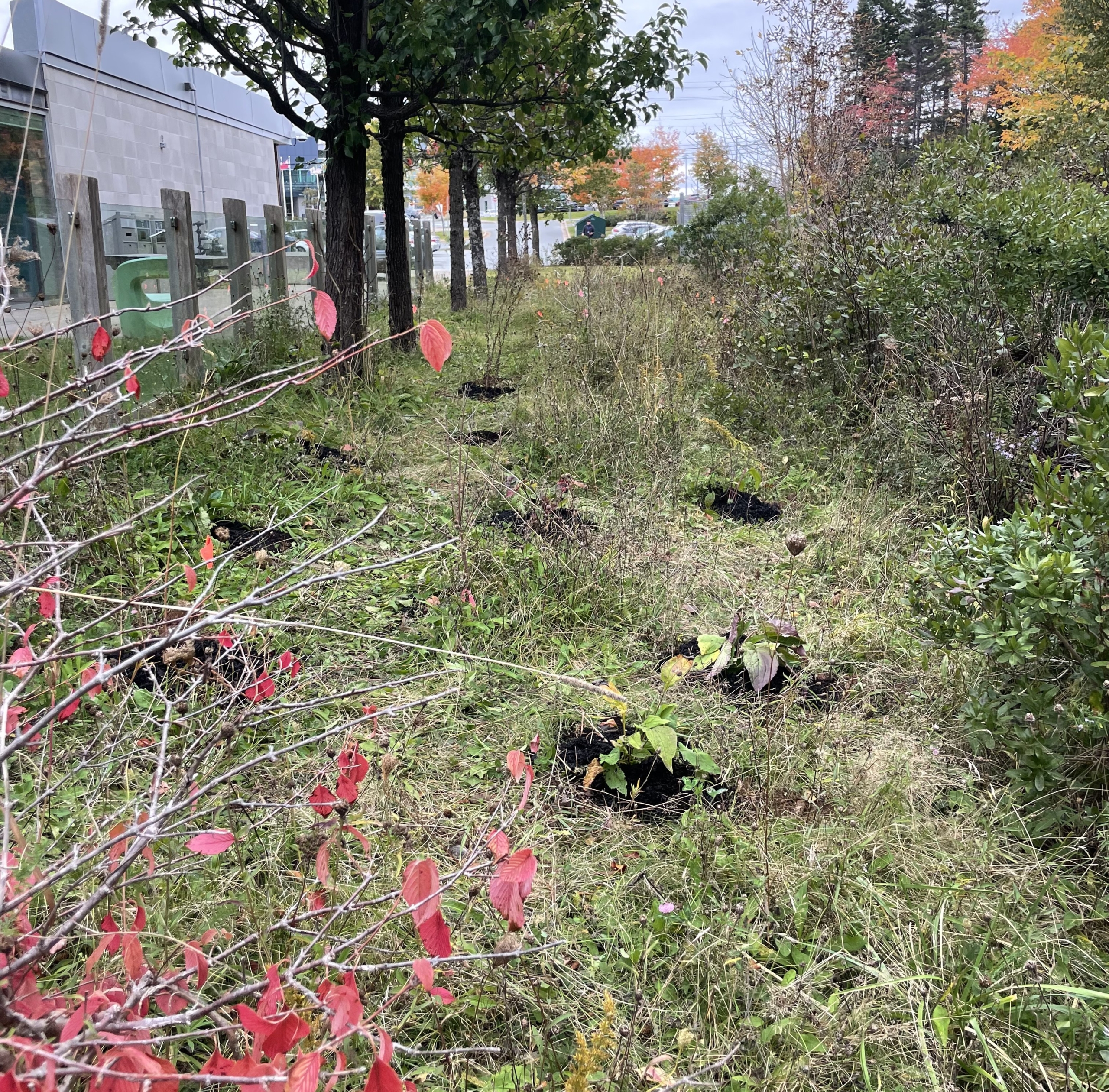
This fall, Nature Nova Scotia partnered with Keshen Goodman Library to transform the underutilized mowed lawn area behind the library into a new native plant garden!

Why naturalize our green spaces?

Naturalization is about recognizing that our green spaces can do more than simply look tidy. While conventional lawns have their place, large areas of frequently mowed grass do not provide habitat and ecological benefits. Introducing native plants can help change that! Native plants provide food and habitat for all insects including pollinators, birds, and other wildlife, while supporting overall ecosystem function.

With support from Nature Canada and the RBC Foundation, the project brought together Nature Nova Scotia staff, community volunteers, Halifax Regional Municipality and Library  Staff for a planting event on October 16th. Together, we planted 30 native plants representing six species: bee balm, brown-eyed susans. Canada columbine, coneflower, milkweed, and native aster. These species were selected for their ecological value and suitability to the site, offering benefits such as food for pollinators, wildlife habitat and improved stormwater absorption and filtration. The garden also brings seasonal colour and a welcoming natural space to an area regularly visited by library patrons. Beyond the planting itself, the project created an opportunity to share information about urban biodiversity and naturalization. Educational signage was installed to introduce visitors to the garden’s plants and their ecological benefits, while Nature Nova Scotia offered activities including an iNaturalist tutorial, bird identification, and materials to make a take home bee water bowl. This project also helped spark conversations with local residents, municipal staff and elected officials about opportunities to bring more nature into our communities. 

Every Bit Helps!

You don’t need a large property or major restoration site to make a difference. Consider planting native flowers, shrubs or trees, reducing the amount of lawn you mow, or working with neighbours and community groups to naturalize a shared space! You can also encourage schools, municipalities and other organizations to make room for nature! In Halifax, HRM’s Naturalization Project Initiative offers another opportunity to support greener, more biodiverse public spaces. Nature Nova Scotia hopes to build on the Keshen Goodman Library Project by exploring similar opportunities at other libraries and community spaces. Whether through an organized initiative or a project of your own, every effort to make room for nature, contributes to a healthier and more biodiverse community. 

Resources to Get Your Naturalization Project Off the Ground

There are many wonderful resources to get you started, and these are just a few!

iNaturalist: A free tool accessed online or through the smartphone app that allows you to search for species, make observations and identify flora and fauna. 

Grow Me Instead Guide by Nova Scotia Invasive Species Council: Highlights common invasive plants and alternatives for your garden.

Plant Selector Tool by Birds Canada: Provides details on 500+ plant species from which you can select those most compatible with your area and garden plan. 

Nine Lawn Alternatives, David Suzuki Foundation: Ideas from food forest to meadows.

Share:

Sharing is Caring

Subscribe To E-News

We send few emails. You can subscribe at any time.